
review / BUYER DESK
How to Build an Electric Motorcycle & ATV Price Ladder (2026)
Published 2026-09-29 · Updated 2026-09-30
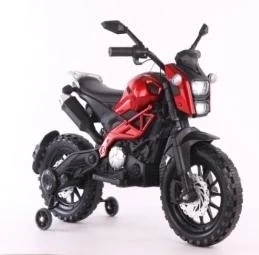
The mistake that wrecks ride-on assortments is building the ladder from a supplier's quoted price list instead of from model evidence. A quote tells you what a factory wants for a configuration; it does not tell you which revision, which battery, or which documents you are actually buying. Build the ladder on verified specs, then price the tiers. In the current electric motorcycles and ATVs catalog, every SKU carries the same MOQ of 30, and factory pricing runs from roughly $24.05 to $175.73, which gives you a usable four-tier structure — entry ATV, commuter motorcycle, mid ATV, premium ATV — before you ever negotiate a private-label run.
Treat every supplier feature claim as unverified until it matches a lot. A 12V beach-buggy ATV quoted for Europe and the US is a quote claim; the sealed golden sample on the QC shelf is an observation. The ladder should only be built from the second category, with the first category flagged for confirmation.
Key Takeaways
- Build tiers on battery voltage and motor count, not on the supplier's adjective. In this catalog, ATVs at 12V with a single battery and four 390-size motors sit in the entry band, while the higher-priced ATV SKUs anchor the premium shelf.
- Every SKU in the current electric motorcycle and ATV catalog quotes at MOQ 30, so tier decisions are about depth per model, not about hitting a factory minimum.
- Separate quote claims from observations before you fix a price: the sealed golden sample, not the email, is what bulk is compared against for colour, fit, flash, and function.
- A UKCA file and a VOC file are different papers. Match market, lot, and which file covers which test before you attach a certificate to a price tier.
- Freeze the Incoterms version and named place — Shantou or Shenzhen as actually booked — in the quote, or the freight argument outlasts production.
Electric Motorcycle & ATV SKUs Compared by Price Band
| Electric ATV Ride-On | ROW-353621 | Entry ATV anchor | 24.0458 USD | MOQ 30 | Ride-on ATV assortment entry tier | Rating: n/a |
|---|---|
| Electric ATV Ride-On | ROW-353622 | Entry ATV second seat | 25.4612 USD | MOQ 30 | Entry tier depth / mixed-container filler | Rating: n/a |
| Electric Motorcycle Ride-On | ROW-353501 | Entry motorcycle | 28.2409 USD | MOQ 30 | Opening price point for two-wheel | Rating: n/a |
| Electric Motorcycle Ride-On | ROW-353584 | Entry–mid motorcycle | 28.7559 USD | MOQ 30 | Step-up from opening two-wheel SKU | Rating: n/a |
| Electric Motorcycle Ride-On | ROW-353502 | Mid motorcycle | 31.9562 USD | MOQ 30 | Commuter-style mid tier | Rating: n/a |
| Electric Motorcycle Ride-On | ROW-353503 | Mid motorcycle | 33.7255 USD | MOQ 30 | Mid tier where feature story justifies the step | Rating: n/a |
| Electric Motorcycle Ride-On | ROW-353504 | Upper-mid motorcycle | 39.5639 USD | MOQ 30 | Top of the two-wheel ladder | Rating: n/a |
| Electric Motorcycle Ride-On | ROW-353544 | Premium motorcycle | 76.0494 USD | MOQ 30 | Premium two-wheel / hero SKU | Rating: n/a |
| Electric ATV Ride-On | ROW-353529 | Mid ATV | 79.5643 USD | MOQ 30 | Mid ATV bridging entry and premium | Rating: n/a |
| Electric ATV Ride-On | ROW-353534 | Upper ATV | 103.449 USD | MOQ 30 | Premium ATV shelf | Rating: n/a |
| Electric ATV Ride-On | ROW-353506 | Premium ATV | 168.301 USD | MOQ 30 | Top-tier ATV halo | Rating: n/a |
| Electric ATV Ride-On | ROW-353507 | Premium ATV (highest quote) | 175.732 USD | MOQ 30 | Ceiling of the current ladder | Rating: n/a |
| Catalog-wide MOQ posture | 30 units per SKU across the electric motorcycle and ATV range | Material: varies by spec | Age/Use: ride-on, kid-focused | Best for: tier depth planning | Rating: n/a |
| Price posture note | Factory quote prices in USD; out-the-door cost depends on Incoterms, named place, and verification status |
Which SKU should anchor the entry tier of an electric ride-on ladder?
Anchor the entry tier with the lowest verified quote in the catalog, which is the Electric ATV Ride-On at 24.0458 USD. It sits below its sibling entry ATV at 25.4612 USD, and both are far enough under the two-wheel opening SKUs that you can hold a psychological price point without gutting margin. The two entry ATVs also let you offer a colour or trim choice at the same shelf price, which is a merchandising move a single SKU cannot support.
The catch: entry ATVs are also where suppliers most often cut battery or motor spec to protect the quote. Before you lock the tier, confirm battery voltage and capacity, motor count, and the revision the quote corresponds to. If the factory cannot name the revision, the entry price is a placeholder, not a tier.
Who should stock it: importers opening a new ride-on category, discount retailers that need a hard price point, and mixed-container buyers who need high-turnover filler to complete CBM alongside outdoor goods.
What separates the mid tier from the entry tier in electric motorcycles?
The mid tier starts where the two-wheel SKUs leave the entry band — the 31.9562 USD and 33.7255 USD motorcycle models — and the honest differentiator is spec, not packaging. Ask the factory to state battery voltage and capacity, motor rating, and which components are shared with the entry SKU. If two SKUs differ only in colour and decals, you do not have a mid tier; you have two entry SKUs and an inventory problem.
A workable mid tier also carries a different story for the retail floor. The step-up needs one feature a buyer can point to — a larger battery, an extra motor, a seat or wheel change — that justifies the price gap to a store buyer who will ask you exactly that question.
Who should stock it: distributors serving mid-market retailers, private-label buyers who want a two-SKU brand ladder, and importers who need a credible upgrade path rather than a single hero item.
When does a premium electric ATV or motorcycle tier pay for itself?
Premium tiers pay when the SKU carries specs that cannot be faked by a decal change. In the current catalog, the top of the ladder runs 76.0494 USD for a motorcycle, 103.449 USD, 168.301 USD, and 175.732 USD for ATVs. Those gaps are wide enough that a buyer will inspect the product before accepting the price, so the premium SKU must arrive with documentation and a sample that match the quote exactly.
This is also the tier where the sealed golden sample matters most. For eleven years in Chenghai, the argument that ends a colour dispute has been the physical sealed piece on the QC shelf, not the email trail — bulk is compared to that piece for colour, fit, flash, and function. Buyers who approve only a photo pay for it on the second lot, and at a premium price the second lot is where the margin disappears.
Who should stock it: specialty retailers and distributors with a demonstrated premium customer, plus private-label programs where the premium SKU is the brand statement and the entry SKU is the traffic driver.
What should an RFQ ask the factory before a tier price is fixed?
An RFQ should force the factory to separate what it claims from what it can evidence. Ask for the exact model and configuration identity, battery voltage and capacity, motor quantity and rating, product dimensions, carton quantity, and the revision the quote corresponds to. For an electric ATV ride-on quoted into Europe and the US, that means a named configuration, a 12V battery specification, a stated motor count, and a carton quantity — not a general product family.
Then ask the document questions. Which test file covers which market and which lot? For an electronic toy, RoHS evidence should cover the electrical and electronic components and the current restricted-substance list, and a test report is only useful when the report identity matches the actual SKU, model, material, colour, age grade, and sample construction. EN 71-3 covers migration of certain elements from toy materials, but confirm the edition being cited. And do not confuse a UKCA file with a VOC file — they are different papers, and paperwork that does not match the lot is not paperwork.
Finally, freeze the commercial terms in writing: Incoterms version and named place, Shantou or Shenzhen as actually booked. If tooling is involved, the policy is a document, not a handshake — fee, ownership, storage period, and what happens if the tool sits idle. A buyer once paid a tooling fee and discovered the contract had frozen neither storage years nor release conditions; do not repeat that.
Who should stock it: any buyer moving from spot purchasing to a planned ladder, especially private-label programs where the tooling and document questions decide whether the tier survives year two.
Use Case | Spec to Ask | Evidence to Request
| Entry ATV shelf (lowest price point) | Battery voltage and capacity, motor count, carton quantity | Sealed golden sample vs bulk comparison; revision identity; report identity matching SKU and age grade |
|---|---|
| Mid two-wheel tier (step-up story) | Battery voltage and capacity, motor rating, shared vs unique components against the entry SKU | Written statement of which parts differ; sample of the mid SKU alongside the entry SKU |
| Premium ATV halo SKU | Full configuration identity, battery spec, motor spec, dimensions | Market- and lot-matched test files; RoHS scope covering electrical and electronic components; document set matched to the quoted revision |
| EU-bound electric ride-on | EN 71-3 edition cited; market and lot mapping | Test file that names the market and lot; confirmation of the edition in force |
| US-bound electric ride-on | Battery compartment closure and warning design | Compartment and warning check before toy function is discussed; screw closure and tool access review |
| Any tier with tooling | Tooling fee, ownership, storage period, idle-tool consequences | Written tooling policy as a contract document, not a handshake |
| Any tier, freight terms | Incoterms version and named place | Quote stating Shantou or Shenzhen as actually booked |
How should mixed-container buyers use the ladder to complete CBM?
Use the entry and mid tiers as CBM filler and the premium SKUs as the margin engine. A mixed-container importer running 20GP or 40HQ loads needs high-turnover filler to complete volume alongside outdoor goods, and generic unbranded filler complicates the story told to retail buyers. A named, spec-verified entry SKU does the same job and carries a brand narrative into the store.
The practical rule: fill remaining CBM with the entry ATV or entry motorcycle, never with a premium SKU you have not sampled. Premium volume should be planned against actual retail demand, not against empty container space.
Who should stock it: mixed-container importers, regional distributors building a category story, and retailers who need a coherent ladder rather than a pile of unrelated ride-ons.
How we picked
The ladder structure in this article is built only from the current electric motorcycles and ATVs catalog: twelve SKUs, each quoted at MOQ 30, with factory prices from 24.0458 USD to 175.732 USD. Tier boundaries were set by price gaps and by the spec questions a buyer must ask at each level — not by supplier marketing language and not by consumer reviews, because no customer reviews were supplied for these products.
We deliberately did not rank factories or declare a best model. No verified ranking evidence was available, so any top-of-list claim would be invented. Instead, the worksheet separates quote claims from observations, names the sample, revision, and document checks that must happen before a tier price is fixed, and flags the commercial terms — Incoterms, named place, tooling policy — that decide whether a tier survives a second lot.
Where the catalog does not state a value, this article says so rather than guessing. Product materials, age grades, and country-specific certification status are not stated in the available records and must be confirmed per SKU and per lot before a tier is committed.
Sources
Related Products & Categories
Build the Ladder on Verified Specs
Start with the electric motorcycles and ATVs collection, pick the tiers you can evidence, and request the sample, revision, and document set before you fix a price. If you are planning a mixed container or a private-label ladder, send your target market and volume and ask for the configuration details behind each quoted SKU.