
Test or assessment report
Useful when it names the model, the tested configuration and the destination market. A report for a different battery, charger or platform answers a different question.
QUALITY & PRODUCT FILES
A clear specification, a reviewed sample and a model-specific document file make purchasing decisions easier to defend.
Talk about your project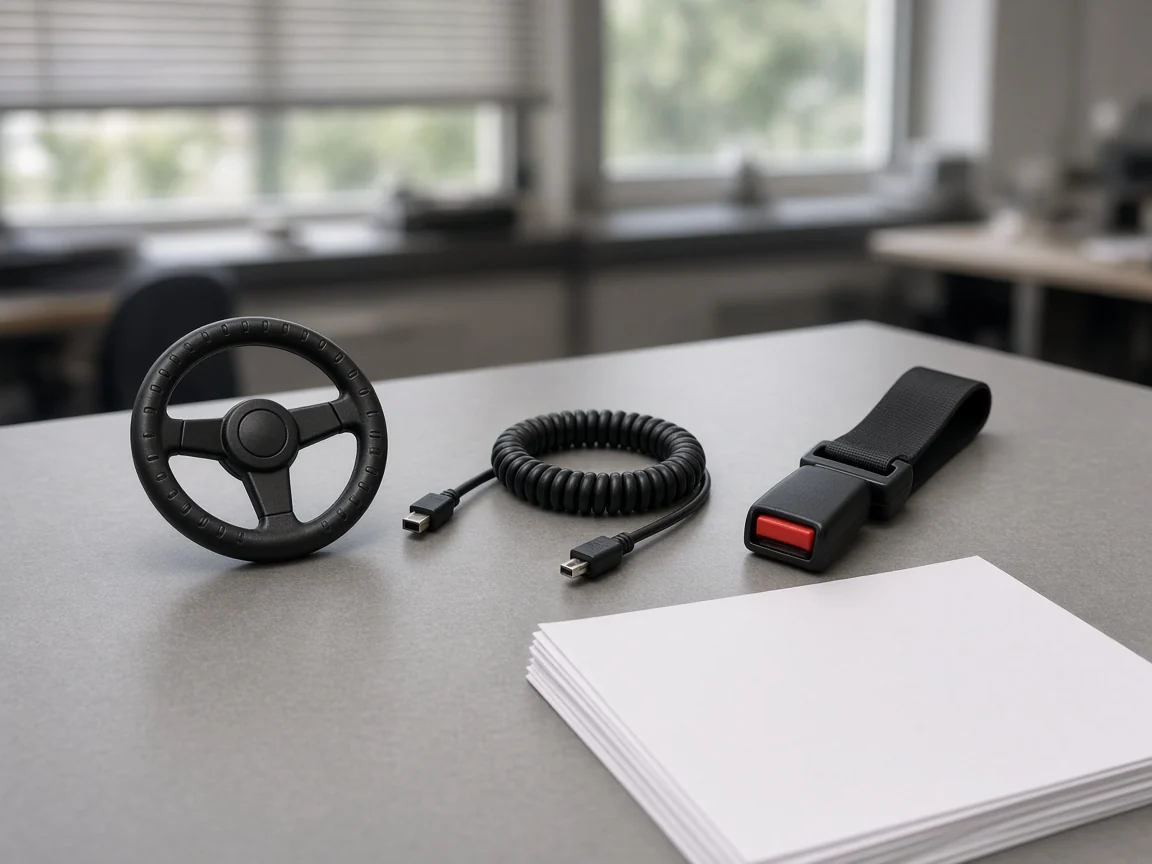
Name the format, the platform, the destination market and the configuration you intend to buy. Then ask for the battery, charger, controls, accessories, labels, instructions and packaging that belong to that model. A supplier profile, a factory tour or a certificate for a different toy does not answer the question.
If a document does not show the model reference, ask what it actually covers. Keep testing and inspection papers next to the sample they describe. A file that cannot be matched to the quoted vehicle should stay out of the order pack.
Useful when it names the model, the tested configuration and the destination market. A report for a different battery, charger or platform answers a different question.
Some U.S. children’s product rules require a CPC. Confirm who is responsible for issuing it and which test results support it under current CPSC guidance. A laboratory report and a certificate are separate documents.
An agreed record of specification, workmanship, quantity, carton marks and accessory packs at a defined point. It checks the order; it is not a laboratory test.
Put the platform and configuration on a dated sample sheet before anyone signs it. Check steering, forward and reverse, the charger socket, labels, wheels, drive, seat, belt, accessories, fasteners, the instruction sheet, warnings and the mark on the carton.
Write what you tried and what you did not try. A sample review records a purchasing decision. It does not replace a laboratory test, an age-grade review or an inspection against a written checklist. If a part feels loose or a warning is missing, that note belongs on the sheet, not in a chat message.
Match the production vehicles to the approved sample, not to the first catalogue photo. Count models and colors, read the carton marks, and open enough accessory packs to see that the remote, charger, hardware and instructions are the ones you approved.
Agree who inspects, against which checklist, and who can hold the shipment. If a deviation is found, record it and the correction before the goods are released. A verbal “it is the same” is not a release record.
The points below are the release review, not a quality guarantee — they describe what should match the approved sample before the goods move.
When something is wrong, name the order, the model, the carton marks, the quantity affected and the part or function involved. Photographs should show the mark and the fault in the same set, so the shipment can be identified.
Keep the affected pieces while the claim is reviewed. Replacement parts, credits and time limits belong in the commercial agreement. The website does not set a warranty period or a consumer return policy.
No page on this site is itself a certificate. The desk coordinates the documents that belong to the chosen platform and destination; the responsible importer and qualified advisers decide what applies. That separation is deliberate — it is the same rule customs and buying teams apply when they match a shipment to its papers.
BUYER QUESTIONS
Answers are based on the current quotation snapshot and the order checks we expect to confirm for each project.
No. The report must match the product identity, tested configuration, destination market and responsible entity. A different battery, charger, accessory or model may require a separate review.
Inspection checks an agreed specification, workmanship, quantity and packing at a defined point. Testing and certification address market or product requirements; one does not replace the other.
Reconcile the approved platform, production configuration, model and color count, carton marks, accessory packs, inspection findings and product-file status before authorizing release.
We will review vehicle format, configuration, carton data and brand requirements together.