
ORDER PLANNING
Start with the carton.
A ride-on order is a carton problem before it is a freight problem. Round the units up to a full carton, multiply by CBM, then replace that estimate with the measured production carton for the approved sample.
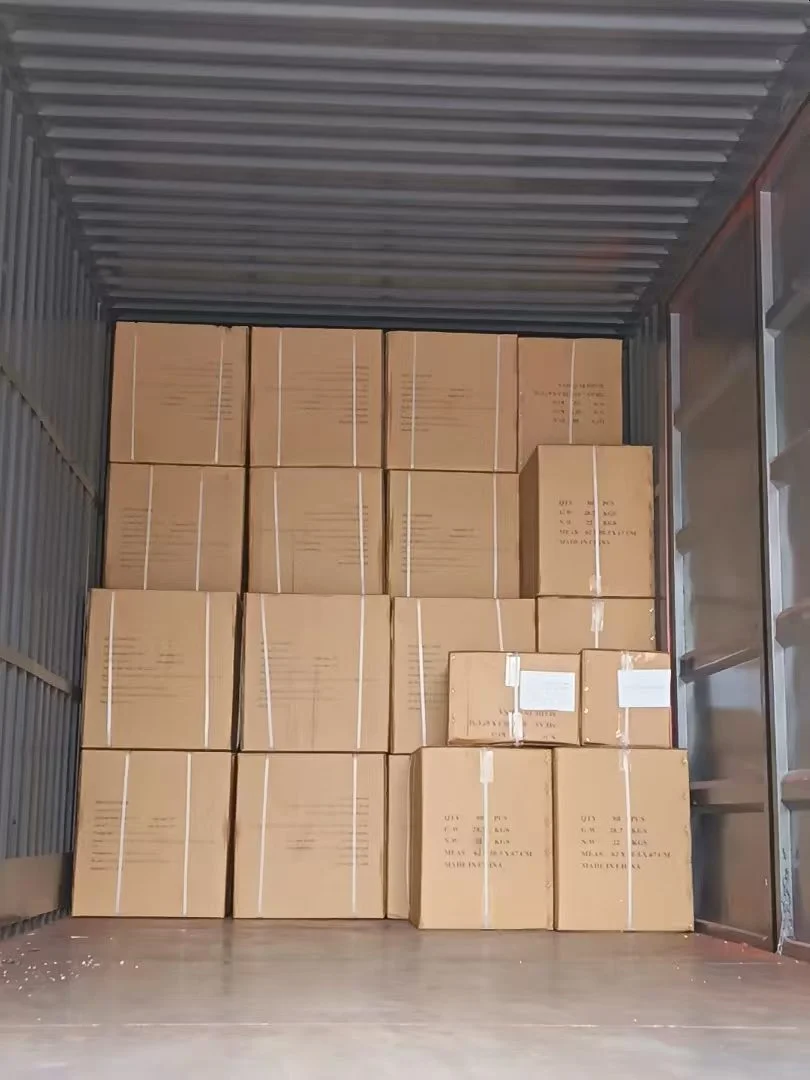
How buyers use the number.
Requested units are rounded up to a full carton. Carton count times CBM is a planning volume, useful when you are deciding whether a model belongs in the first shipment. It is not a booking, and it does not know how the cartons will be turned or stacked.
One hundred units, two very different programmes
Compact motorcycle platform, 1 unit per carton, 0.061 m³ per carton
100 cartons × 0.061 = 6.1 m³All-terrain beach platform, 1 unit per carton, 0.489 m³ per carton
100 cartons × 0.489 = 48.9 m³Requested units round up to whole cartons first; the volume follows. The planner is a planning figure, not a container-loading proposal — orientation, stacking and weight distribution are agreed with the supplier and forwarder.
What to ask for instead of a courier size
Ask for the production master carton: length, width, height, gross weight, units inside, and whether the vehicle is assembled or flat-packed. A single-piece parcel dimension often describes the body, not the export carton.
Before anyone reserves space
Confirm battery chemistry with the forwarder, agree who counts a mixed load, and replace the reference CBM with the carton that matches the approved sample. Send the platform and destination if you want that sheet prepared.
Read the packing guide ↗PLANNING QUESTIONS
Questions buyers ask before they request a quote.
Answers are based on the current quotation snapshot and the order checks we expect to confirm for each project.
What does the planner calculate?
It rounds requested units up to full cartons using the selected platform’s reference units-per-carton and multiplies by reference carton CBM.
What does the planner not calculate?
It does not guarantee container capacity, freight cost, loading orientation, stacking limits, pallet use, weight distribution or battery transport compliance.
When should I replace the reference values?
Use the approved production carton, gross weight, battery details and forwarder loading proposal before booking freight or publishing a final commercial offer.
Why does a compact motorcycle take so much less space than an ATV?
Carton size is the whole answer. The snapshot shows a compact motorcycle at about 0.061 m³ per carton and a large all-terrain beach ride at about 0.489 m³ — nearly eight times the volume per unit. Freight is paid on the carton, not the price tag.